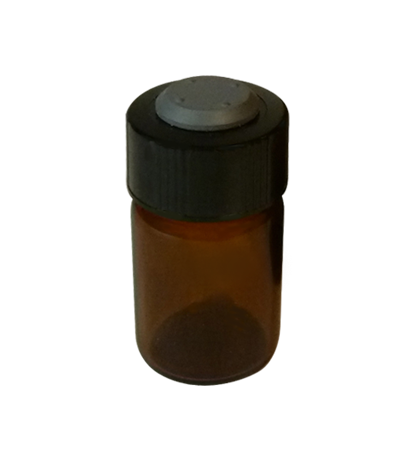
Propidium Iodide Powder

Product Number 1029


Home | Menu | Comments | Ordering


Material Safety Data Sheet

May be used to comply with
OSHAís Hazard Communication Standard,
29 CFR 1910.1200. Standard must be
consulted for specific requirements.

U. S. Department of Labor

Occupational Safety and Health Administration
(Non-Mandatory Form)
Form Approved
OMB No. 1218-0072

IDENTITY (As Used on Label and List)

BioSure® Propidium Iodide Powder

Blank spaces are not permitted. If any item is not applicable, or no information is available, the space must be marked to indicate that.


Section I


Manufacturer's Name

BioSure®, Inc.

Emergency Telephone Number

800-345-2267

Address (Number, Street, City, State, and Zip Code)

1050 Whispering Pines Lane, Suite F
Grass Valley, CA. 95945

Telephone Number for Information

800-345-2267


Date Prepared

September 29, 2011


Signature of Preparer (optional)


Section II - Hazardous Ingredients/Identity Information


BioSure® Propidium Iodide Powder (5.0 mg/vial)

Hazardous Components
(Specific Chemical Identity:
Common Name(s))
OSHA PEL
ACGIH TLV
Other Limits Recommended
% (optional)
Propidium Iodide Powder
(CAS No. 25535-16-4)
(EC-No. 247-081-0)
(MF: C27A34I2N4) LD50

SCU-MUS
160 mg/Kg


Section III - Physical/Chemical Characteristics


Boiling Point

N/E

Specific Gravity (H2O = 1)

N/A

Vapor Pressure (mm Hg.)

N/E


Melting Point

220-225 degrees C

Vapor Density (AIR = 1)

N/E

Evaporation Rate (Butyl Acetate = 1)

N/E

Solubility in Water

Completely


Appearance and odor

Red-Dark Red Solid Powder.


Hygroscopic, Light Sensitive, Store in cool, dry place.


Section IV - Fire and Explosion Hazard Data


Flash Point (Method Used)

None

Flammable Limits

N/E

LEL

N/E

UEL

N/E

Extinguishing Media

Water spray


Special Fire Fighting Procedures

Wear SCBA and protective clothing.


Unusual Fire and Explosion Hazards

Emits toxic fumes under fire conditions.


Section V - Reactivity Data


Stability

Unstable

Conditions to Avoid

Light sensitive

Stable
Incompatibility (Materials to Avoid)

Strong oxidizing agents.

Hazardous Decomposition or Byproducts

Toxic fumes of: carbon monoxide, carbon dioxide, nitrogen oxides, hydrogen iodide.

Hazardous
Polymerization

May Occur

Conditions to Avoid

Will Not Occur


XX


Section VI - Health Hazard Data


Route(s) of Entry

Inhalation?

Skin?
Ingestion?

Irritation

Irritation
Large Quantities Irritation

Health Hazards (Acute and Chronic)

Irritation of upper respiratory tract or GI tract if inhaled or ingested.

Eye contact irritation.

Carcinogenicity

NTP?

IARC Monographs?
OSHA Regulated?
May alter genetic material

N/E

N/E
N/E

Signs and Symptoms of Exposure

N/E

Medical Conditions Generally Aggravated by Exposure

Irritating to eyes, respiratory system and skin.

Emergency and First Aid Procedures

Flush skin or eyes with copious amounts of fresh water.
Remove contaminated clothing.


Section VII - Precautions for Safe Handling and Use


Steps to Be Taken in Case Material is Released or Spilled

Flush area with water.

Waste Disposal Method

Dispose in accordance with all applicable federal, state and local environmental regulations.

Precautions to Be Taken in Handling and Storing

Wear safety goggles, gloves

Other Precautions


Section VIII - Control Measures


Respiratory Protection (Specify Type)

Do not breathe dust. Use only in a chemical fume hood.

Ventilation
Local Exhaust
Special
Standard
Mechanical (General)
Other

Protective Gloves

Handle with gloves.

Eye Protection

Safety goggles or glasses.

Other Protective Clothing or Equipment

Lab coat

Work/Hygienic Practices

Follow standard/good laboratory practices.


BioSure®
1050 Whispering Pines Lane, Suite F
Grass Valley, CA 95945


Phone (800) 345-2267 or
(530) 273-5095
Fax (530) 273-5097